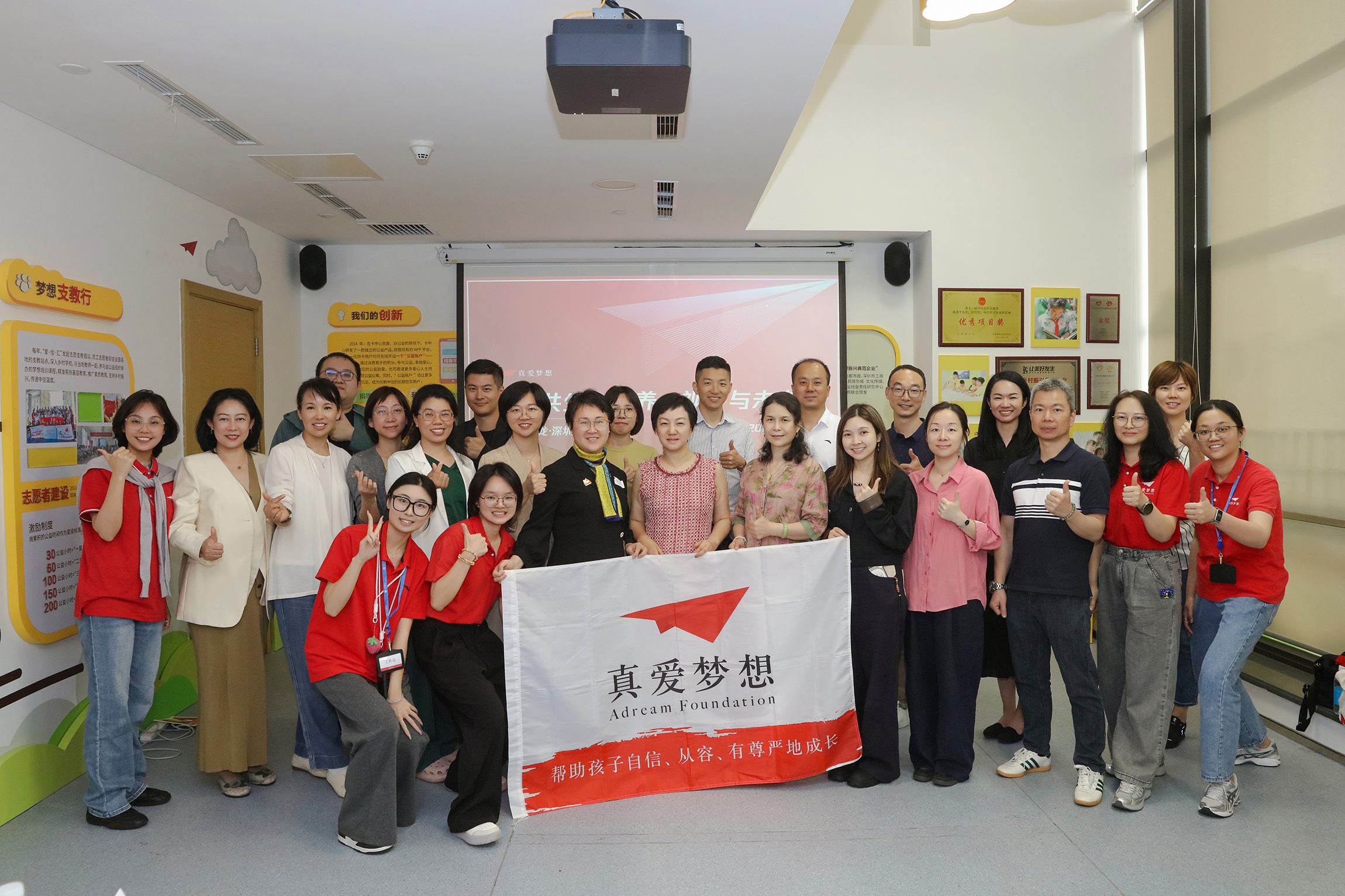
Ideas have a way of taking shape when people gather with shared purpose. On the afternoon of 26 March 2026, at a Dream Classroom in Shenzhen, a group of educators, donors, and long‑term partners came together not to chase the newest technology, but to ask a quieter and more enduring question: how should education evolve in an age shaped by artificial intelligence?
At the invitation of the Adream Foundation, Peak II Foundation participated in the Dream π Salon — “Living with AI: Literacy, Perspective, and the Future of Education.” What unfolded was not a technology briefing, but a thoughtful exchange grounded in lived experience, educational values, and shared responsibility.
When Technology Meets Lived Reality
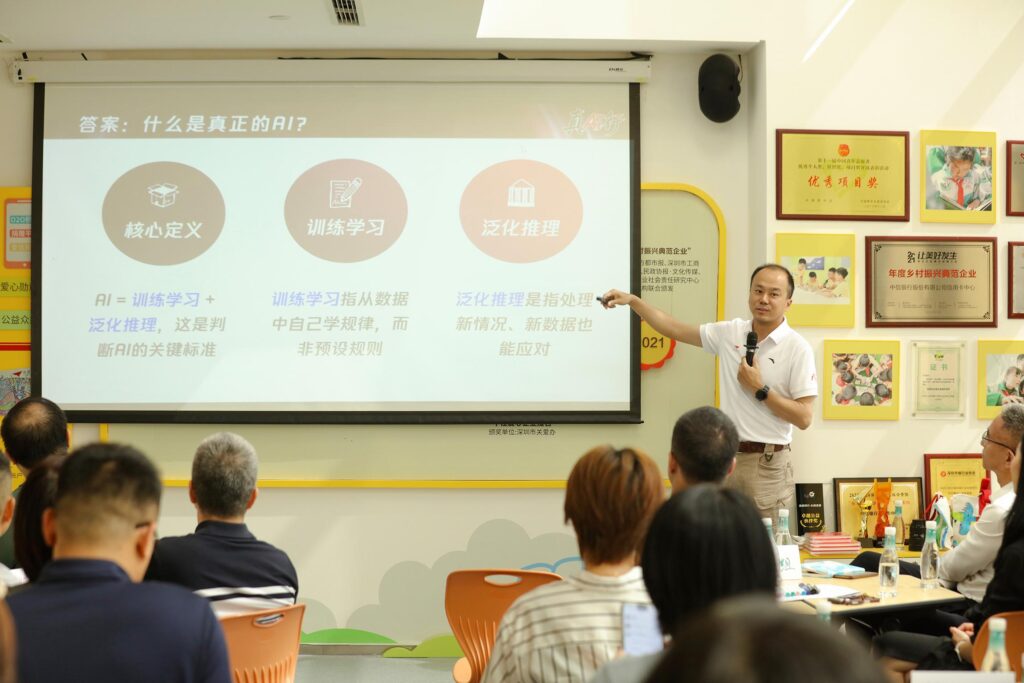
The session was led by Mr. Qin Wei, AI Product Director at Adream Foundation, whose career spans more than two decades in multinational IT companies. Drawing on concrete examples from the classroom rather than abstract theory, Mr. Qin shared how AI has gradually been integrated into Adream’s work — from AI‑enabled Dream Centres to teacher literacy programmes designed to support educators in under‑resourced regions.
Particularly moving were reflections from teachers in western China who had participated in sustained training programmes. Their experiences made one truth clear: technology, on its own, does not transform education. People do. Tools matter only when they are placed in the hands of educators who understand their students, their communities, and the realities of learning on the ground.
This perspective resonated deeply with Peak II Foundation’s belief that systems change becomes meaningful only when it strengthens human connection rather than replacing it.
Returning to the Heart of Education
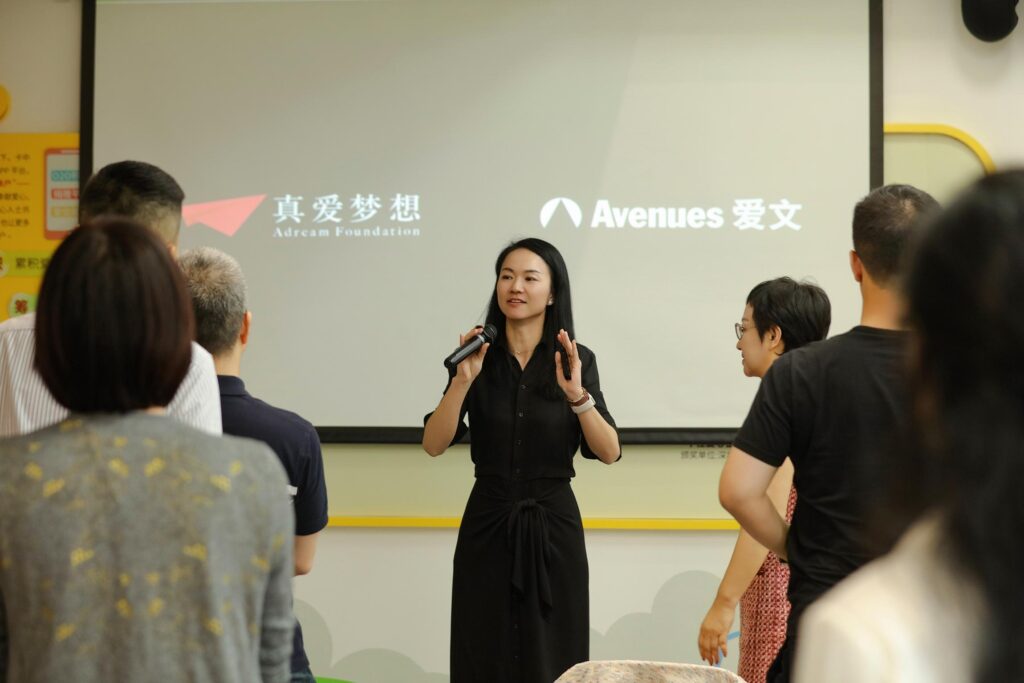
The conversation was further enriched by Ms. Xu Ji, Principal of Shenzhen Avenues School, who invited participants to step back from the speed of technological change and return to first principles. In an AI‑accelerated world, she asked, what should education protect? What capacities do children need—not only to succeed, but to live well?
Her reflections centred on independence of thought, adaptability, and a sense of responsibility to others. Although Adream Foundation and Shenzhen Avenues School serve students in different contexts, both share a common conviction: education must support the whole person, not just measurable outcomes.
A Question Without a Final Answer
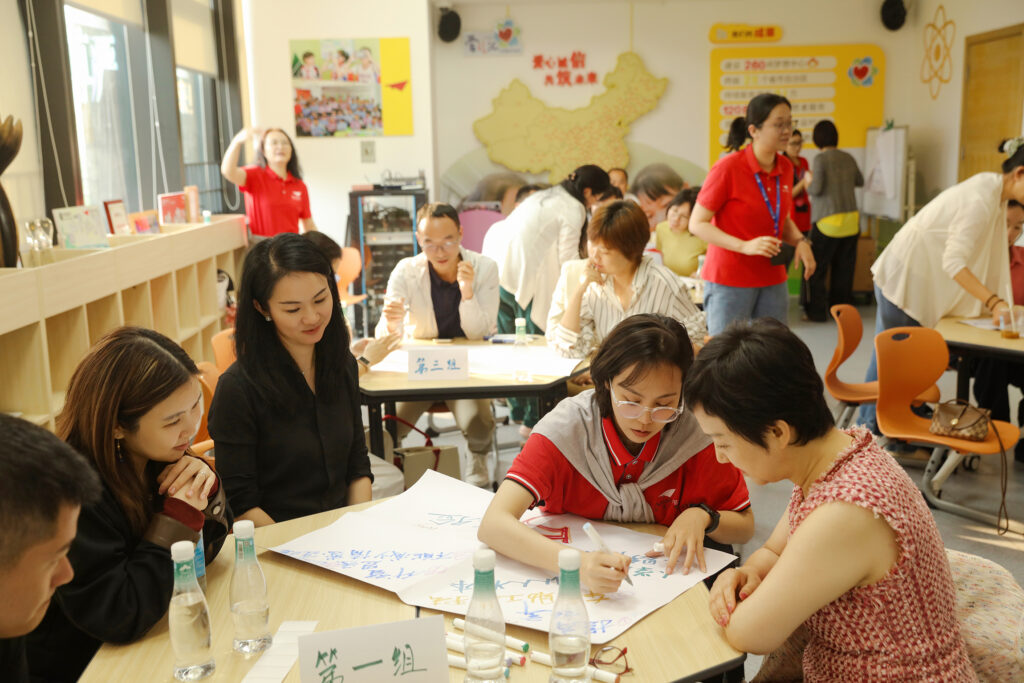
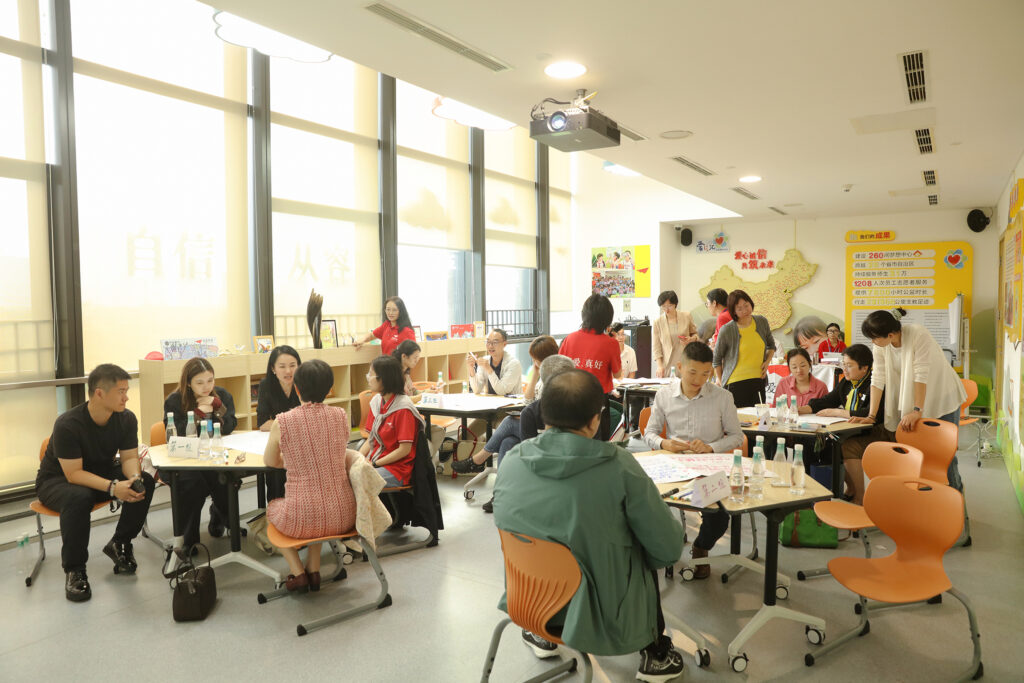
As the afternoon drew to a close, participants broke into small groups to discuss a deceptively simple question:
“AI in the Dream Classroom — YES or NO?”
There was no attempt to reach consensus. Instead, the conversation focused on balance—how to use AI without dependency, how to preserve relationships in learning spaces, and how to ensure that critical thinking grows alongside technological capability.
What emerged was not agreement, but understanding. And that, perhaps, was the point. Just as with community‑building work, meaningful progress in education comes not from quick answers, but from sustained dialogue grounded in mutual respect.
Why This Conversation Matters
It would be easy to describe the Dream π Salon as a discussion about AI. But at its heart, it was about people—educators seeking better tools, children needing thoughtful guidance, and institutions choosing how technology fits into their values.
At Peak II Foundation, we believe that education, like community, is built through relationships. Data can inform decisions, and tools can support learning, but the direction we take depends on the values we choose to uphold together.
We extend our sincere appreciation to Adream Foundation for convening this exchange and for its continued commitment to building learner‑centred, data‑informed educational environments. As education evolves, we remain committed to walking alongside partners who approach innovation with care, reflection, and integrity—ensuring that progress always serves people, not the other way around.
2026年3月26日下午,在深圳的一間夢想教室裡,一眾教育工作者、捐贈人及長期合作夥伴放慢腳步,沒有追逐最新科技趨勢,而是靜下來思考一個更根本的問題:在人工智能逐步改變世界的今天,教育應該如何前行?
崇嶺基金會很榮幸應真愛夢想邀請,參與「夢想π 沙龍—與 AI 共生:素養、視野與未來教育圖景」。這不只是一場科技分享,更是一場圍繞教育價值、實踐經驗與共同責任的深入對話。
當科技,遇上真實的教學現場
活動由真愛夢想 AI 產品總監秦瑋老師帶領。秦老師擁有超過二十年於跨國資訊科技與人工智能領域的專業經驗,近年專注於將 AI 應用於教育公益與教師培訓工作。他以實際案例分享,自2025年起,真愛夢想如何逐步將 AI 融入梦想中心的升級、教師 AI 素养培訓,以及西部地區教師的持續專業發展。
特別令人動容的,是來自西部教師的真實回饋。他們的分享讓大家深刻體會到:科技本身並不會改變教育,真正帶來轉變的,始終是使用科技的人。唯有當工具被放在理解學生、了解社區現實的教育工作者手中,科技才能成為促進教育公平與品質的助力。
這一點,與崇嶺基金會一貫的信念不謀而合——制度與工具的進步,唯有強化人與人之間的連結,才具備真正的意義。
在快速變動中,回到教育的核心
活動亦邀請了深圳愛文學校徐吉校長,從一線教育實踐出發,引導大家重新思考教育的本質。在 AI 快速發展的時代,教育應守護甚麼?孩子真正需要培養的能力又是甚麼?
徐校長指出,無論科技如何演進,獨立思考、適應能力、以及對他人的責任感,始終是教育不可或缺的核心。雖然愛文學校與真愛夢想服務的學生群體不同,但雙方同樣堅信:教育不應只追求可量化成果,而是支持孩子的整全發展。
沒有標準答案的對話
在活動尾聲,參加者分組圍繞一個看似簡單、卻極具深意的問題展開討論:
「夢想教室裡,AI 的 YES 或 NO?」
討論並非為了得出結論,而是鼓勵彼此聆聽與反思。大家交流了如何在教學中善用 AI 而不過度依賴、如何守護學習中的人際連結,以及如何在培養科技能力的同時,強化孩子的批判思考與判斷力。
正如社區建設一樣,教育的前行並非源於快速答案,而是來自持續而真誠的對話。
為何這些對話如此重要
這場沙龙表面上談的是 AI,實際上談的是人——是教師如何獲得更好的支援,是孩子如何被更用心地引導,也是教育機構如何在技術進步中作出價值選擇。
在崇嶺基金會,我們相信,教育和社區一樣,都是由關係所構成。數據可以輔助決策,工具可以支持學習,但方向始終取決於我們選擇守護的價值。
我們衷心感謝真愛夢想策劃並促成這次交流,持續打造以學習者為本、以數據為支撐的教學環境,支持因材施教,推動教育的長遠影響。
在科技不斷演進的未來,崇嶺基金會將繼續與志同道合的夥伴同行,以審慎、反思與誠信面對創新,確保教育始終以人為本。