Date: August–September 2026
Location: Community venues, Shanghai
An older adult will rarely book a counselling session for “emotional distress”. The same person will happily go and watch a film.
Sunshine Seniors (《陽光樂齡》) is the elder mental-wellbeing programme of the Golden Dreamers initiative by the Shanghai Adream Foundation, and its design begins exactly with that observation. Retirement role transitions, children living their own lives, physical decline — loneliness, anxiety and low mood are common among elders. Yet, shaped by older attitudes, many resist professional psychological help, seeing these troubles as a normal part of ageing, not worth facing. Programme materials add a further point: as pressure around dementia prevention grows, mental care has become an essential part of non-pharmacological intervention — its most front-end, lightest entry point.
Between the problem and the entry point stands a threshold. The programme’s answer is not to lower the threshold, but to change the door.
A film first, so that “mental health” slips in unnoticed
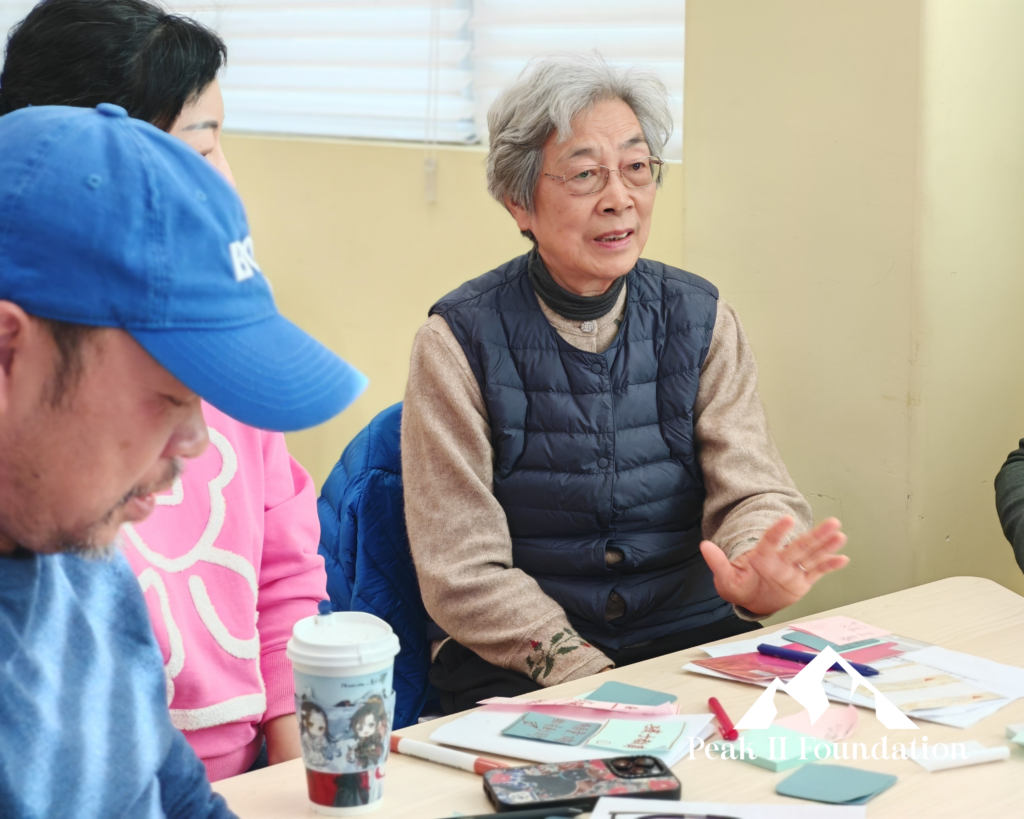
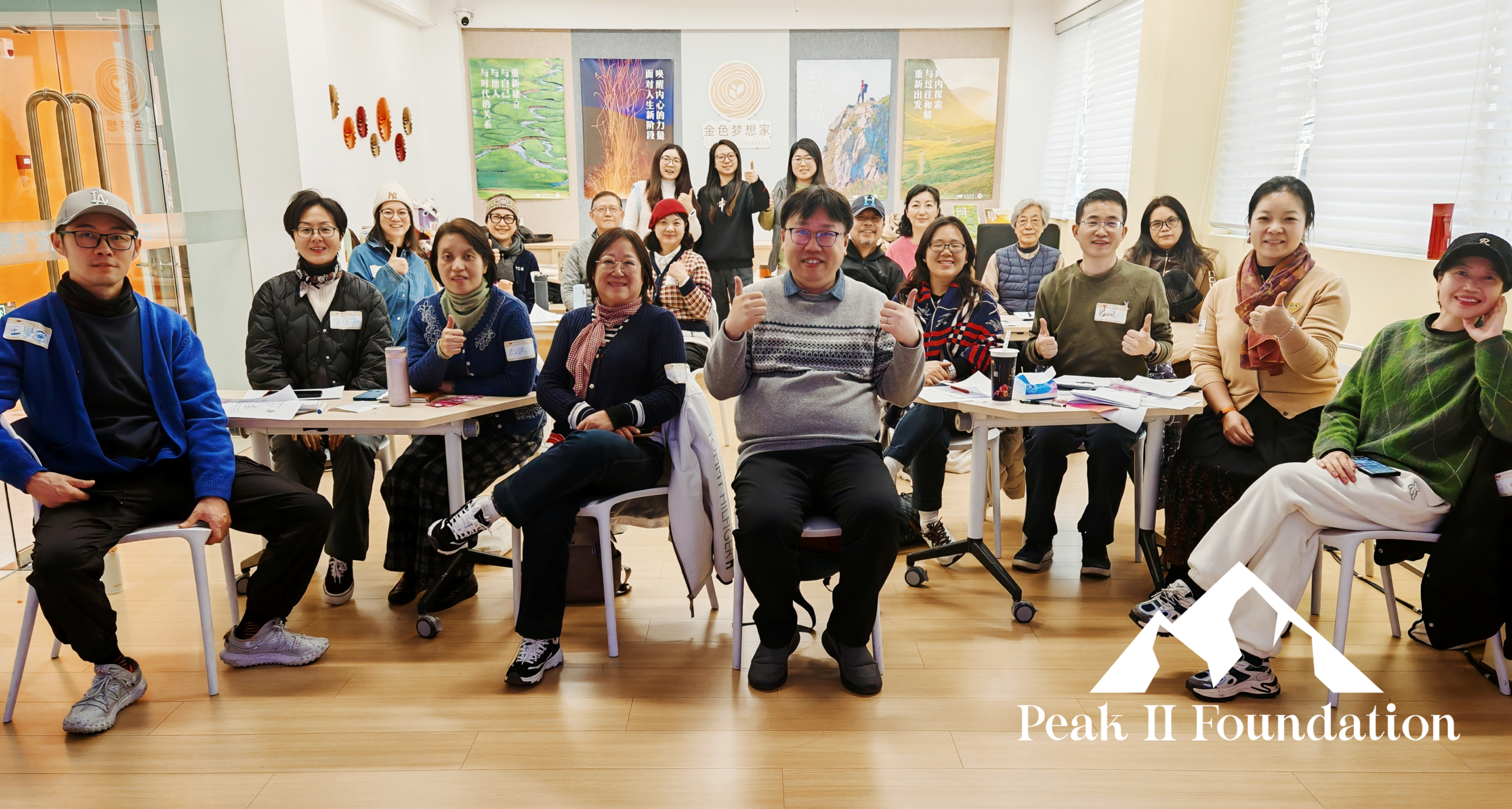
The programme’s main carrier is a film salon: relaxed, enjoyable, a format elders choose for themselves. Through viewing and discussion, the core issues of later life arrive naturally.
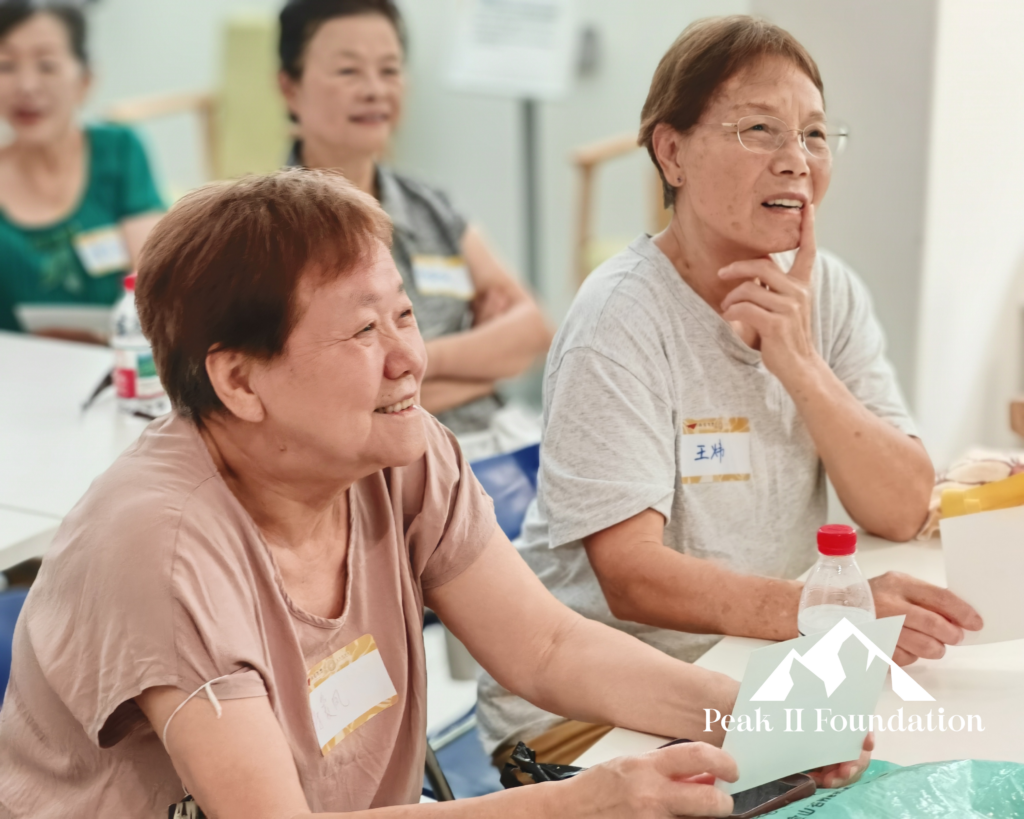
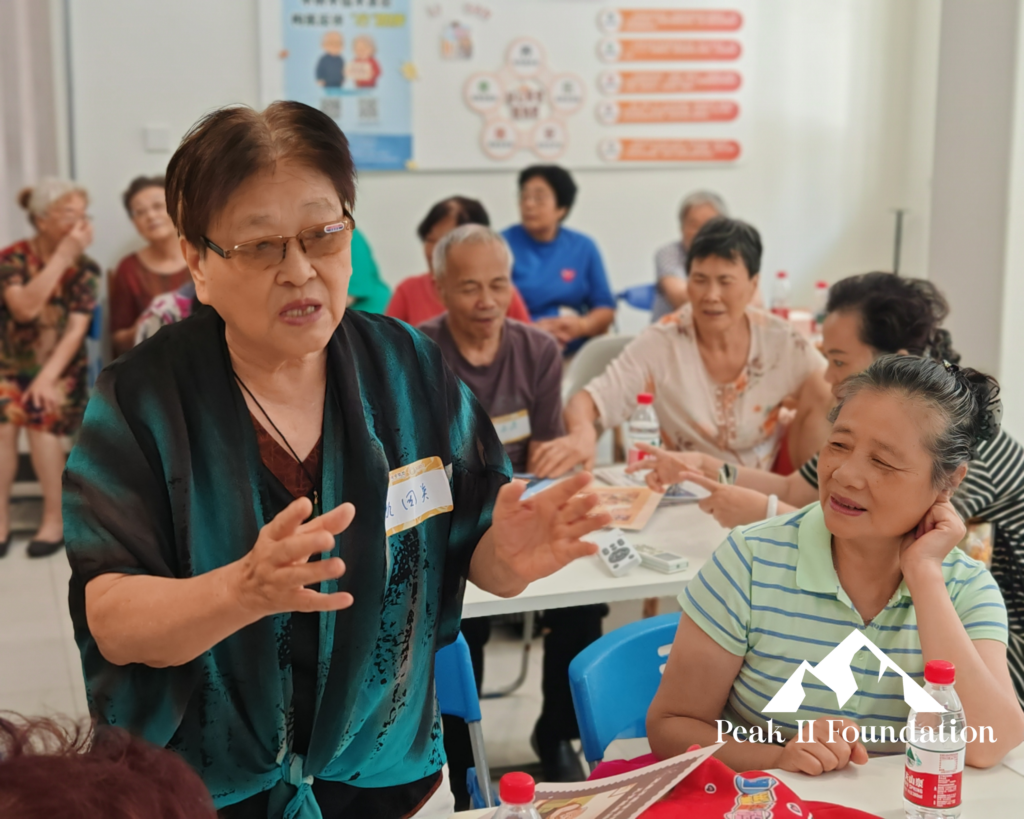
The real work happens after the credits. Through empathy with characters and their conflicts, participants explore — in a safe, non-judgemental atmosphere — the challenges hardest to say out loud: adapting to an empty nest, rebuilding one’s role, emotional isolation, the loss of a sense of worth. But they are always discussing the people on the screen, never themselves. That is the elegance of the design: at one remove, behind a screen, psychological topics become speakable.
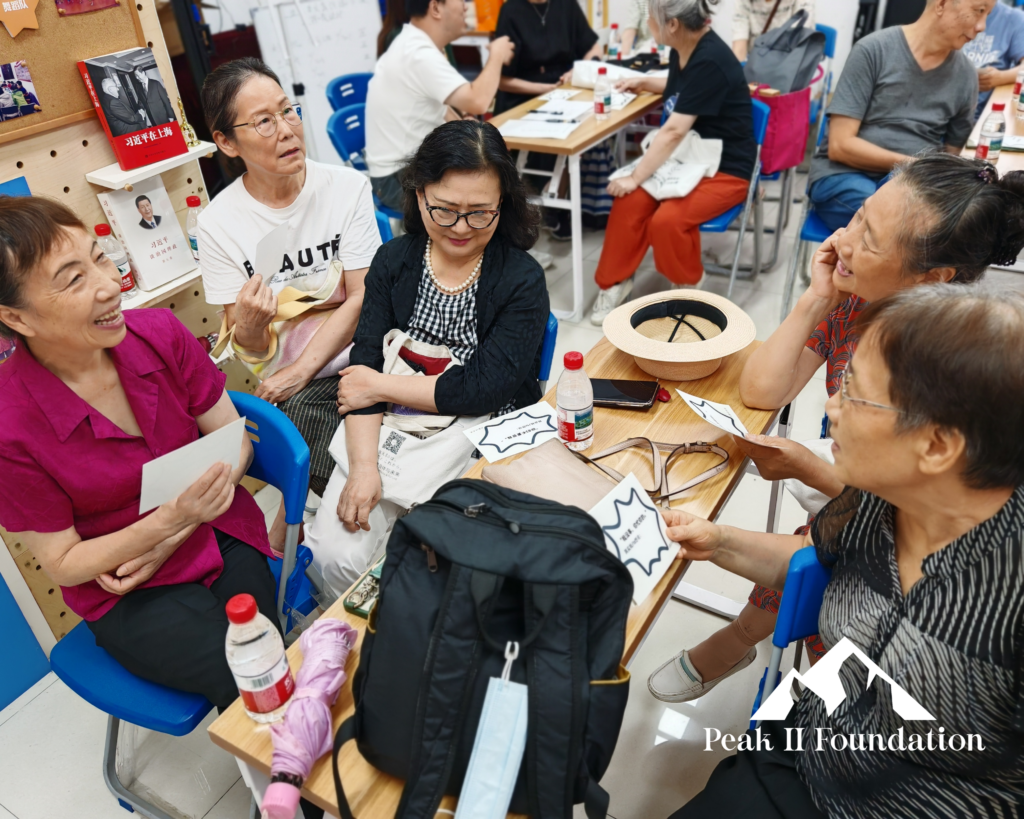
Around the salon, the programme runs structured group activities — mindfulness workshops, sleep mutual-aid groups — easing insomnia, mild anxiety and low mood, and slowly building a network of peer support among elders.
August and September: a validation
According to the programme’s delivery records, the team has completed the research, development and piloting of version 2.0 of its psychological care curriculum, Light and Shadow on the Future (《光影話未來》), covering intergenerational understanding, social rebuilding, partner relationships and the meaning of life.
From August to September, the curriculum ran as two community classes of eight sessions each, expected to reach over 160 attendances by elder residents; in August, a mindfulness workshop ran as one class of four sessions, reaching over 90 attendances. The stated aim of the phase is an honest one — to validate the feasibility and fit of a scenario-based model of psychological intervention, laying ground for later scale-up.
Not announcing outcomes, but testing a hypothesis. We value that phrasing enormously.
Why fund a side door
Peak II Foundation has been a long-term supporter of Golden Dreamers. Across its programmes we now see three kinds of design intelligence: Digital Life lies in sequence, Health Companion in repetition — and Sunshine Seniors in the entrance. Go to where people already are, in a form they will accept, and begin there the work that matters.
A side door looks like the long way round. It is the only door that opens.
電影散場之後
金色夢想家《陽光樂齡》——心理關懷的側門
日期: 2026年8月至9月
地點: 上海社區
一位長者,很少會為「情緒困擾」四個字預約心理諮詢。但同一個人,會去看一場電影。
《陽光樂齡》是上海真愛夢想公益基金會金色夢想家項目下的長者精神關懷計劃,其設計正始於這個觀察。退休後的角色轉變、子女各自生活、身體機能衰退,令孤獨、焦慮與情緒低落成為長者的普遍困擾;然而受傳統觀念影響,長者普遍抗拒專業心理服務,甚至認為這些困擾只是衰老的常態,不值得正視。項目資料同時指出,隨著認知症預防的壓力日益凸顯,精神關懷已是非藥物干預的重要組成部分——是認知症預防最前端、最輕量的介入入口。
問題與入口之間,隔著一道門檻。《陽光樂齡》的做法,不是降低門檻,而是換一道門。
以電影為載體,讓「心理健康」不經意地進場
計劃以電影沙龍為主要載體:氣氛輕鬆,形式有趣,長者在觀影與討論中,自然觸及晚年生活的核心議題。
真正的工作,發生在散場之後。透過對角色與故事衝突的共情與解析,參與者在安全、非批判的氛圍中,探討空巢適應、角色重塑、情感孤島、價值失落這些平日難以啟齒的現實挑戰——但談的始終是戲裡的人,不是自己。這正是設計的精妙之處:心理議題隔著一層銀幕,反而變得可以交談。
在此之上,計劃配套開設正念工作坊、睡眠互助小組等結構化社群活動,緩解失眠、輕度焦慮與情緒低落等常見困擾,逐步搭建長者同輩支持網絡。
八至九月:一場驗證
據項目執行資料,團隊已完成心理關懷課程 2.0 版《光影話未來》的內容研發與試課,涵蓋代際理解、社交重建、伴侶關係、生命意義等中老年核心議題。
8月至9月,《光影話未來》在社區開設兩班共八次課程,預計惠及樂齡居民一百六十人次以上;8月,正念工作坊開設一班共四次活動,惠及九十人次以上。整個階段的目標寫得很誠實——驗證場景化心理干預模式的可行性與適配性,為後續規模化推廣奠定基礎。
不是宣佈成效,而是驗證假設。這種表述方式,我們極為重視。
為何支持一道側門
崇嶺基金會是金色夢想家項目的長期支持者。在其系列計劃之中,我們逐一見到三種設計智慧:《數字人生》的智慧在於次序,《健康同行》在於重複,而《陽光樂齡》在於入口——走到人所在的地方,用他們願意接受的形式,開始真正重要的事。
側門看似繞遠,卻是唯一走得進去的門。
— 崇嶺基金會
培力教育・提升未來