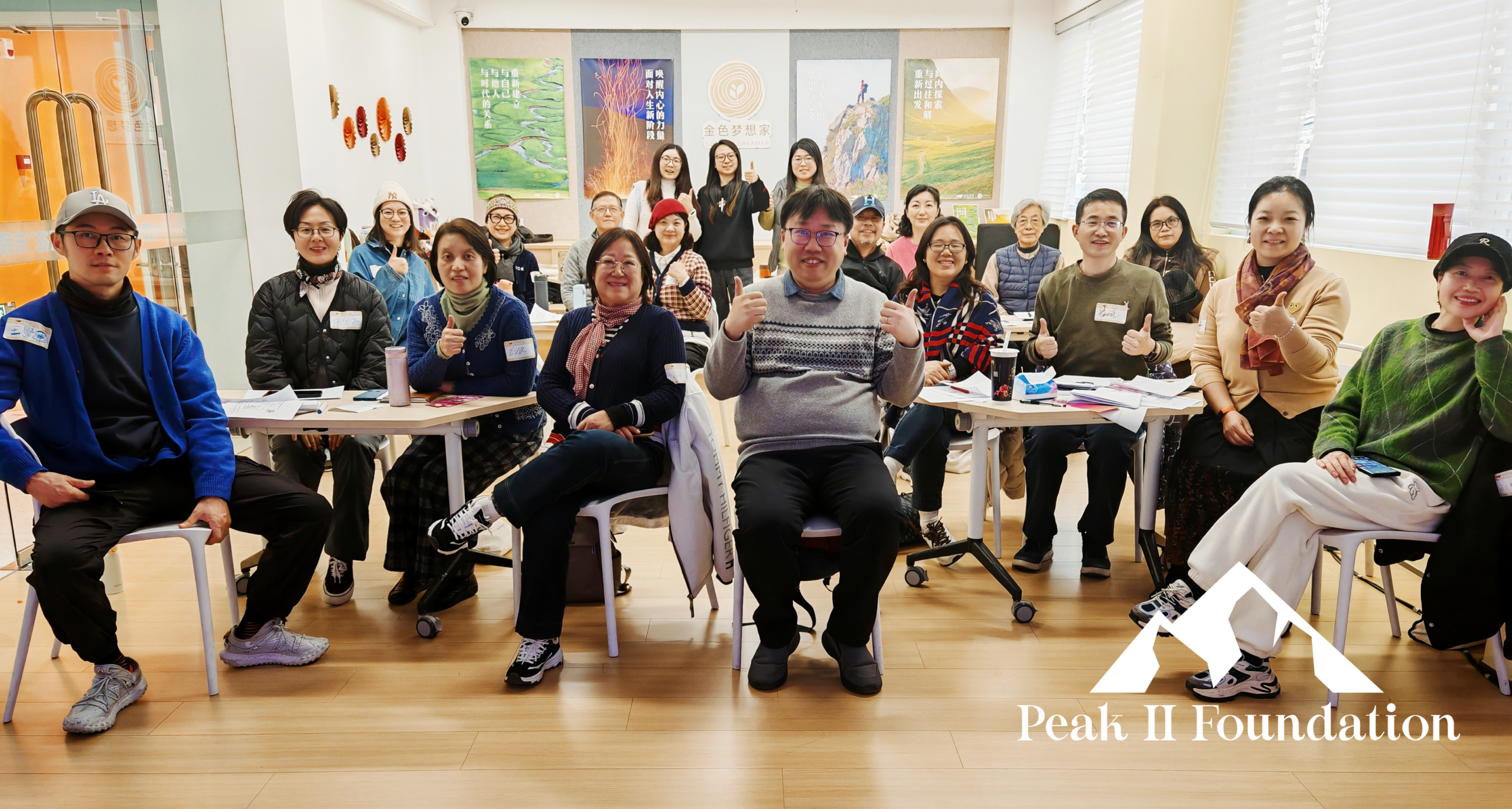
After the Credits, the Conversation Continues
Golden Dreamers: Learning in the Community | Sunshine Seniors and its film-based curriculum
Programme period: August–September 2026
Location: Community venues in Shanghai
When a film ends, it can leave more than a story behind. It can also leave a question: how might I understand that relationship, that choice or that change in someone’s life?
Sunshine Seniors(《陽光樂齡》), part of Shanghai Adream Foundation’s Golden Dreamers initiative, focuses on emotional wellbeing and connection in later life. Its 《光影話未來》 film-based curriculum uses stories and discussion to introduce topics relating to relationships and life transitions.
Peak II Foundation supports Golden Dreamers and values this approach to learning: beginning with a shared experience, then making room for different perspectives.
Starting with a Story
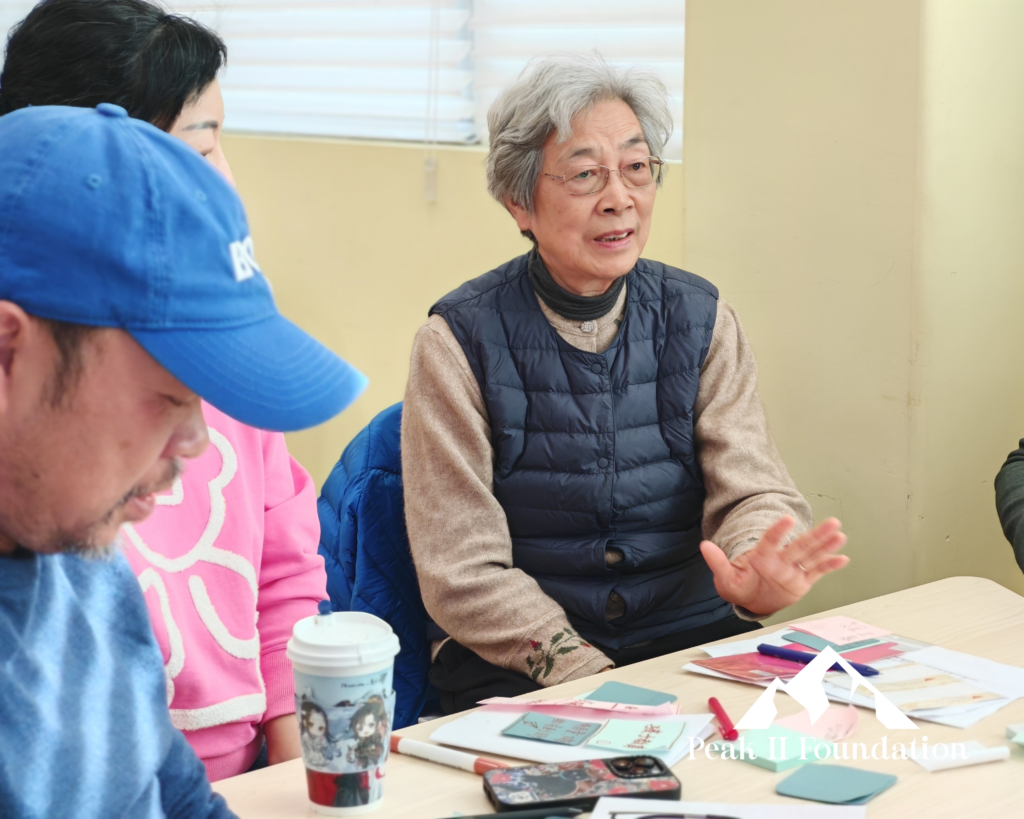
The curriculum covers intergenerational understanding, rebuilding social connections, partner relationships and meaning in life. Film characters and situations provide starting points for discussion.
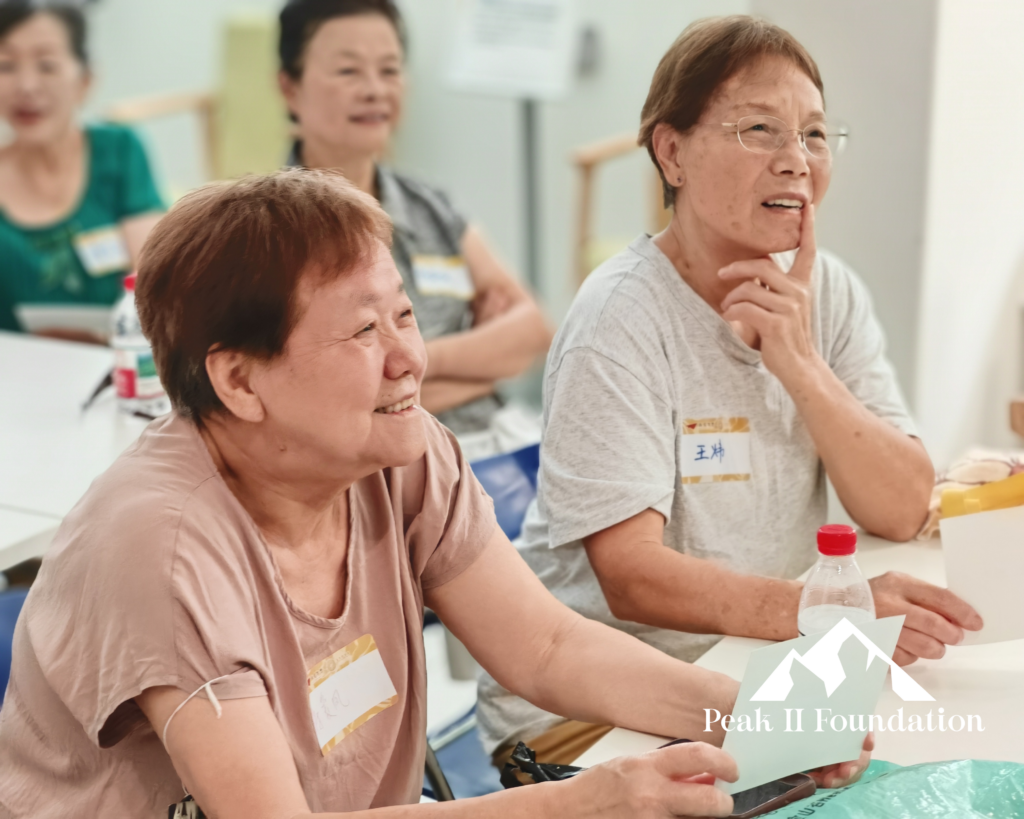
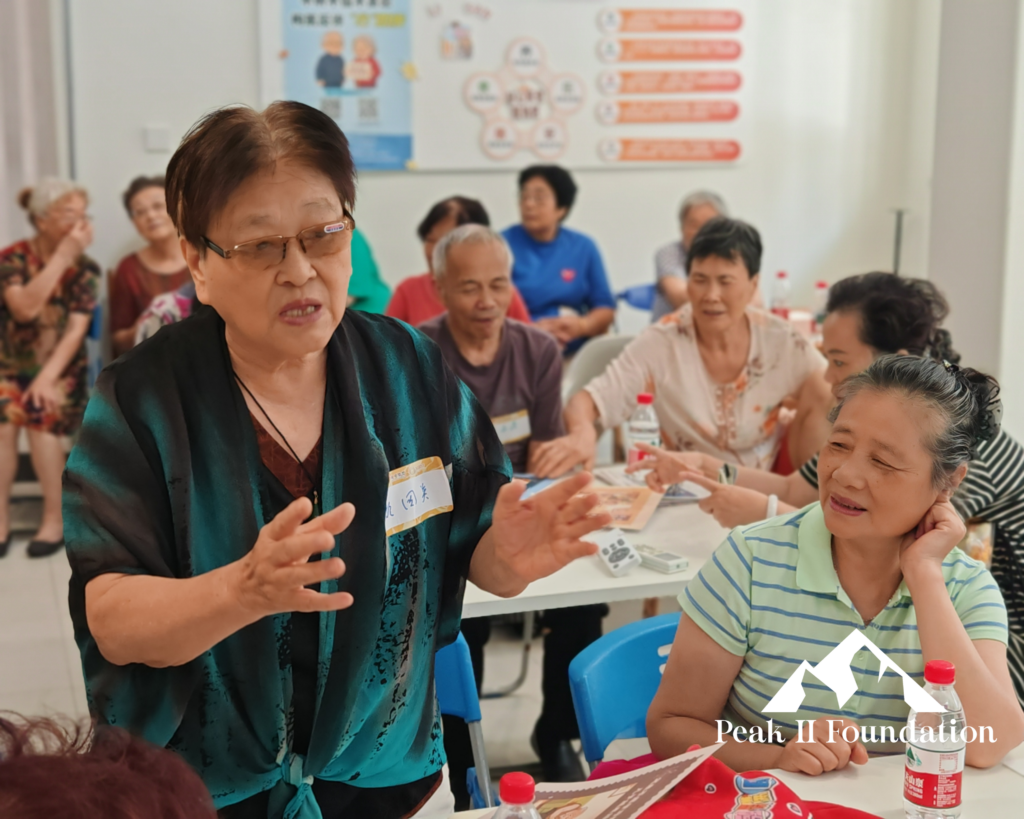
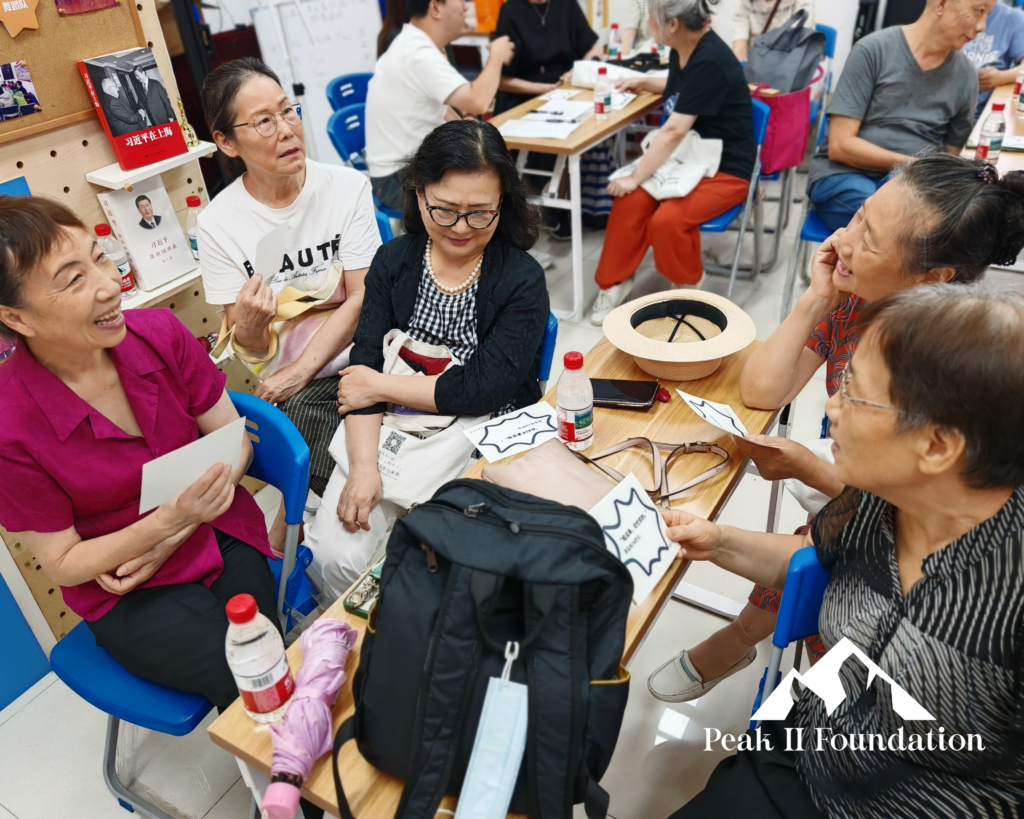
We appreciate that shared starting point while respecting how much each person wishes to disclose. Some may connect a story with their own experiences; others may prefer to discuss the characters or simply listen.
A discussion need not produce a single answer. What matters is having opportunities to express a view and encounter another way of understanding.
Two Classes, Eight Sessions in Total
Programme materials set out two community classes comprising eight sessions in total during August and September 2026, with an original projected reach of more than 160 attendances. The team also reported completing development and trial delivery of version 2.0 of the curriculum.
Attendances are not the same as unique participants. The figure of more than 160 remains a projection here, rather than a confirmed delivery result.
The same materials separately record one mindfulness workshop series of four sessions in August, with more than 90 attendances. These figures relate to a different activity and should not be combined with the film course’s projected reach.
Emotional Wellbeing and Learning
For us, education includes more than tools and practical skills. It can also involve understanding feelings, listening to others and considering how we relate to people.
We want those opportunities to remain available throughout life, without assuming that all older people face the same difficulties. Joining an activity does not mean someone needs treatment, and choosing not to share personal experiences does not mean they are disengaged.
Film discussions can provide opportunities to explore emotional topics. They do not replace professional assessment or support when needed, and attendance alone should not be presented as evidence of reduced anxiety, improved sleep or dementia prevention.
Understanding Before Expanding
Programme materials describe this phase as an opportunity to examine the feasibility and suitability of a scenario-based approach to psychological care in community settings, informing future development.
We value that emphasis on learning before expanding. Alongside attendance records, we want to understand how participants experience the course, which topics invite engagement and what support facilitators need.
That feedback can help the team decide what to retain, adjust or develop further.
Different Ways into Community Learning
Across Golden Dreamers, Digital Life focuses on digital tools, Health Companion connects health education with practice, and Sunshine Seniors explores emotions and relationships through film and group activities.
Each has its own delivery arrangements; they should not be assumed to involve the same trained volunteers. What connects our interest in these programmes is the opportunity to support teams and community participants in bringing learning into everyday life.
Thank you to Adream, the Golden Dreamers team, curriculum developers, facilitators, community partners and everyone taking part.
A film can end while the conversation continues—at each person’s own pace and by their own choice.
Peak II Foundation | Empower Education, Elevate the Future
電影散場之後,對話繼續
金色夢想家・社區學習系列|《陽光樂齡》與《光影話未來》
課程時段:2026年8月至9月
地點:上海社區場地
一場電影結束後,留下來的可以不只是劇情,也可以是一個問題:如果是我,會怎樣理解這段關係、這個選擇,或這種生活轉變?
上海真愛夢想公益基金會「金色夢想家」旗下的《陽光樂齡》,關注樂齡人士的情緒健康與人際連結,透過觀影、討論及小組活動,提供接觸相關議題的機會。《光影話未來》是當中的心理關懷課程,運用電影故事開展交流。
崇嶺基金會支持「金色夢想家」,也重視這種從共同經驗出發的學習方式:先有一段可以一起觀看的故事,再為不同想法留下空間。
從角色出發,認識不同觀點
《光影話未來》的內容涵蓋代際理解、社交重建、伴侶關係及生命意義等主題,讓參加者透過角色與情節,討論人生不同階段可能面對的選擇。
我們欣賞電影提供的共同話題,也重視參加者對分享程度的選擇。有人願意連結自己的經歷,有人只想談角色,也有人選擇先聆聽,這些都可以是參與的方式。
討論不需要走向同一個答案。重要的是,參加者有機會表達,也能接觸與自己不同的理解。
兩班課程,合共八次
按項目資料,本階段安排於2026年8月至9月在社區開設兩班、合共八次《光影話未來》課程,原定預計服務樂齡居民超過160人次。團隊亦記錄已完成課程2.0版本的研發與試課。
這裡的「人次」是出席次數,並非不同參加者的人數;160人次以上亦屬原定預計量,不作已完成成果呈現。
同一階段的資料另記錄,8月的正念工作坊設一班、共四次活動,服務超過90人次。這屬另一組活動,不與《光影話未來》的預計量混合計算。
情緒關懷,也是學習的一部分
對崇嶺而言,教育不只關乎工具或技能,也包括理解自己的感受、聆聽別人的經驗,以及思考如何與人相處。
我們希望,這些學習機會不以年齡為限,也不預設每位樂齡人士都有相同的困擾。參加活動不代表需要接受治療,不願分享個人經歷,也不代表沒有投入。
觀影與交流可以提供接觸情緒議題的機會,但不能代替有需要時的專業評估或支援。我們不把出席課程,直接等同焦慮減輕、睡眠改善或認知症風險下降。
先了解適不適合,再思考推廣
項目資料將這一階段的目標,定為了解情境式心理關懷模式在社區推行的可行性與適配性,為後續發展提供參考。
我們重視這個方向:不急着宣布成功,而是先了解課程內容、帶領方式及活動安排是否適合參加者。
除了出席紀錄,我們也希望了解參加者怎樣看待課程、哪些話題容易投入,以及帶領者需要甚麼支持。這些回饋,才能幫助團隊判斷下一步如何調整。
同一計劃,不同的學習入口
在「金色夢想家」的系列工作中,《數字人生》聚焦數碼工具,《健康同行》連結健康教育與日常練習,《陽光樂齡》則透過電影及小組交流,關注情緒與關係。
各課程有不同的帶領安排,不預設全部由同一批受訓義工執行。我們共同重視的,是讓專業團隊與社區參與者有合適的資源,把不同形式的學習帶進生活。
感謝真愛夢想及金色夢想家項目團隊、課程研發與帶領人員、社區合作夥伴,以及參與活動的樂齡人士。
電影可以有片尾,對話則可以繼續——按每個人的意願與步伐。
崇嶺基金會|培力教育・提升未來