
Learning to Be There
What volunteering research invites us to consider about helping others—and learning together
When we talk about volunteering, we often begin with two questions: how many people were reached, and what support was provided?
These questions matter. At Peak II Foundation, we also want to ask: what do people learn through taking part?
Someone can enter a community hoping to contribute and leave with a different understanding of another person’s life. Listening, respecting unfamiliar experiences and staying present without having every answer are all forms of learning we value.
Looking Beyond the Recipient
Published in 2024, the HEAL-HOA randomized controlled trial involved 375 adults aged 50–70, comparing volunteering with a psychoeducation programme to examine loneliness, social and mental health outcomes.
Volunteers received six weeks of training before delivering telephone-based psychosocial support to older people over six months. This was structured, sustained participation—not a one-off conversation.
A subsequent follow-up paper from the same trial reported greater reductions in loneliness among volunteers than among the comparison group at six months. However, most positive effects were not sustained at twelve months, cautioning against treating short-term improvements as permanent.
The findings invite us to consider that volunteers are not only providers of support; participation itself may also make a difference in their lives.
The boundaries matter. This trial involved adults aged 50–70 providing trained telephone support. It does not establish that young volunteers, a single outing or a different matching programme will experience the same outcomes.
Education Between People
Peak II Foundation’s guiding commitment is “Empower Education, Elevate the Future.” Our approach includes investing in people who help others, enabling support to reach further through their work and relationships.
For us, education includes learning how to relate to other people.
Can we listen without immediately judging? Ask what someone needs before offering a solution? Respect a pace of life different from our own?
We hope volunteering can provide opportunities to practise these abilities, rather than simply complete a task.
Making Room for Relationships
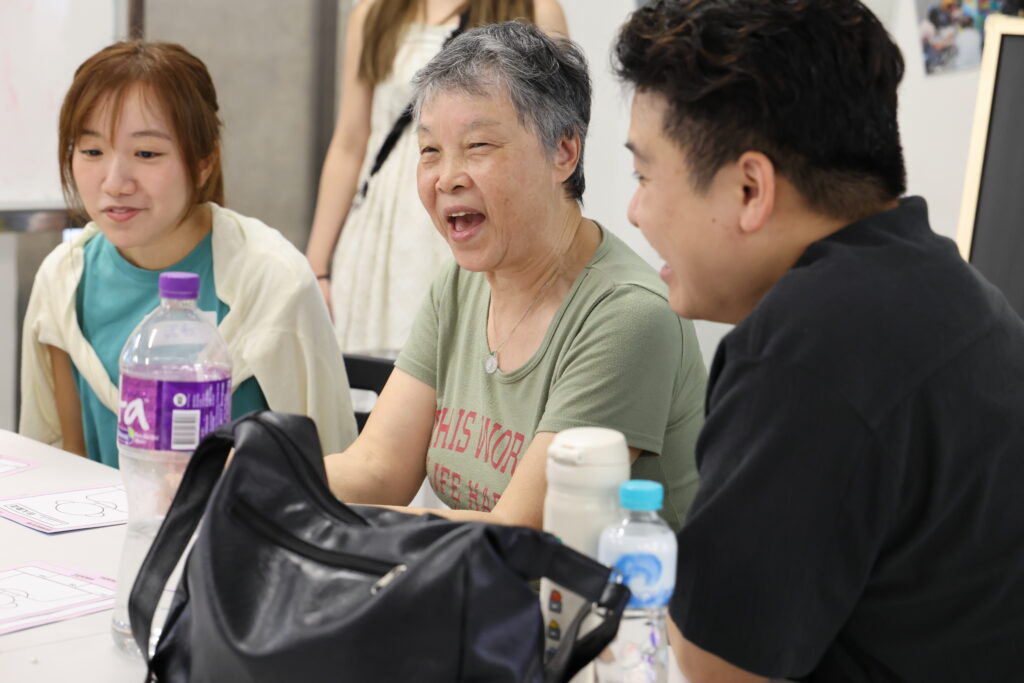
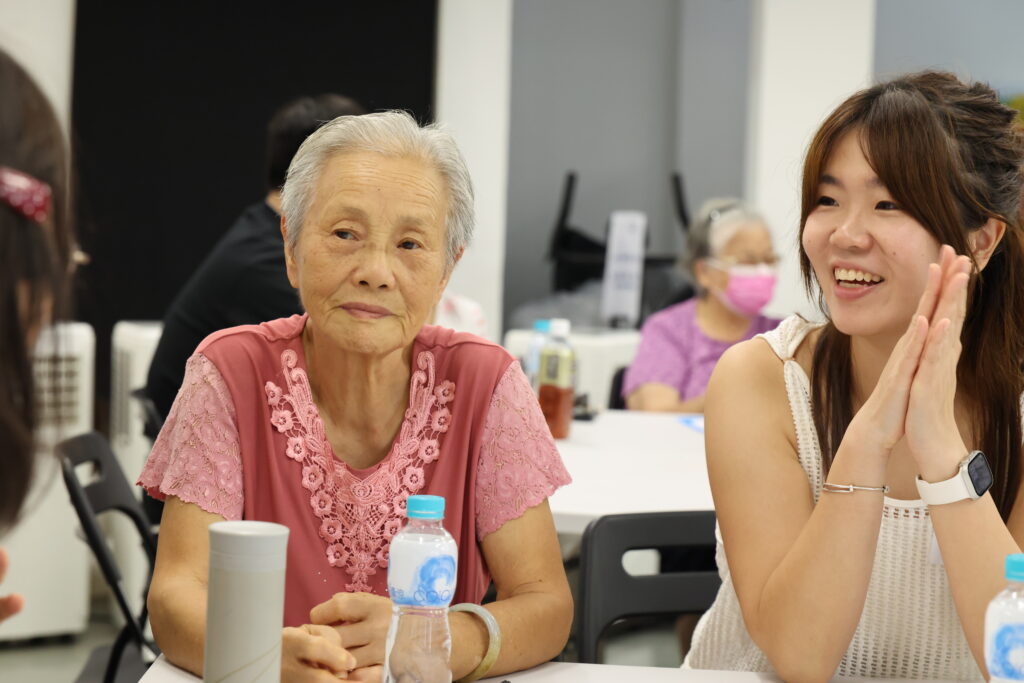
This thinking resonates with our support for Life Commitment Charity Club’s Grandparent Matching Programme. The six-month pilot connects young volunteers with older people living alone through monthly visits, outings and themed conversations, allowing time for participants to get to know one another.
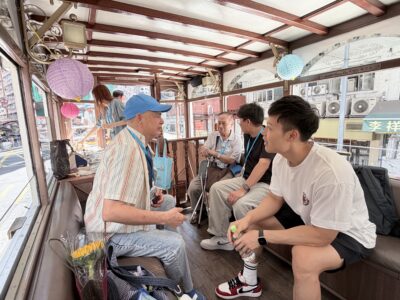
On a recent tram outing, volunteers from Peak II Foundation and Life Commitment Charity Club joined older participants for a shared journey. We see such encounters as opportunities not only to spend time together, but also to learn how to be thoughtful companions.
Older people are not simply recipients of assistance. They have experiences, preferences and choices that deserve attention. Volunteers do not need to have every answer; understanding someone can matter as much as trying to solve a problem.
An activity creates an opportunity to meet. A relationship takes time to develop.
Taking Change Seriously
We would not treat smiles at an event as proof that loneliness has decreased. Nor would we present another programme’s research findings as evidence of our own impact.
Instead, we want to keep asking: do participants want to meet again? Are their views being heard? Do volunteers have the support to respect both their own limits and the needs of others?
For Peak II Foundation, supporting volunteering means creating conditions for learning and relationships—not simply another opportunity to serve.
We do not need every answer before we can contribute. A willingness to listen, learn and take another person seriously is a meaningful beginning.
About Life Commitment Charity Club
Life Commitment Charity Club supports older people in need, including those living alone and older couples, with services ranging from daily practical assistance to support in later life. Peak II Foundation supports its Grandparent Matching Programme, creating opportunities for intergenerational connection and ongoing companionship.
Meet Life Commitment Charity Club · Explore the matching programme
Peak II Foundation | Empower Education, Elevate the Future
在陪伴中學習,在關係中成長
從義工研究出發,思考幫助他人與共同成長的可能
談到義工服務,我們常會先問:幫助了多少人?提供了甚麼支援?
這些問題很重要。但在崇嶺基金會,我們也想多問一句:參與服務的人,在過程中學懂了甚麼?
一個人可以帶着付出的心走進社區,也帶着新的理解回來。如何聆聽、如何尊重不同的生活經驗、如何在不知道答案時仍願意陪伴——這些,都是我們重視的學習。
研究讓我們多看一步
2024年發表的 HEAL-HOA 隨機對照研究,以375名50至70歲人士為對象,比較參與義工服務與心理教育活動的安排,探討義工參與對孤獨感、社交及心理健康的影響。
在這項試驗中,義工接受六星期培訓,再為長者提供為期六個月的電話心理社交支援;服務並非一次性的問候,而是有培訓、有組織的持續參與。
同一試驗其後發表的追蹤分析顯示,義工組在六個月時的孤獨感,較對照組有更明顯的改善;但大部分正面效果未能在十二個月時維持,提醒我們不能將短期變化視為永久結果。
這些發現提供了一個值得思考的角度:義工不只是提供支援的人,參與服務的經驗本身,也可能影響他們的生活。
不過,研究對象是50至70歲人士,服務形式亦是經過培訓的電話支援,不能直接推論年輕義工、一次外出活動,或其他配對計劃會有相同成效。
教育,也發生在人與人之間
崇嶺基金會以「培力教育・提升未來」為方向,重視透過支持幫助他人的人,讓資源在社區中持續發揮作用。
對我們而言,教育不只關乎知識與技能,也包括學習如何與人相處。
聆聽時,能否暫時放下自己的判斷?
提供協助前,能否先問對方真正需要甚麼?
面對不同的生活步伐,能否保留耐性與尊重?
我們希望義工服務能成為練習這些能力的空間,而不是只留下完成任務的紀錄。
從一次相遇到持續同行
這也是我們支持香港樂心會「爺爺嫲嫲配對計劃」時重視的方向。這項六個月試行計劃,透過每月探訪、外出活動及主題交流,連結年輕義工與獨居長者,為彼此認識留下時間。
在早前的電車活動中,崇嶺基金會及香港樂心會的義工一同參與,與長者共享旅程。對我們而言,這不只是一次外出,也是一個學習如何相處的起點。
長者不只是接受支援的人。他們擁有自己的經歷、喜好與選擇,值得被認真聆聽。義工亦不必扮演擁有所有答案的人;願意了解對方,而不是急着替對方解決一切,同樣重要。
一場活動可以創造相遇,一段關係則需要時間經營。
不急着替改變下定論
我們不會因為一次活動出現笑容,就認定孤獨已經減少;也不會因為一項研究錄得正面結果,就將它當作我們計劃的成效證明。
我們更希望持續了解:參加者是否願意再次見面?他們的意見是否被聽見?義工是否得到足夠支援,能夠尊重自己的能力與界線,也尊重對方的需要?
對崇嶺而言,支持義工參與,不只是增加一次服務機會,更是為學習與關係創造條件。
幫助他人,不必先成為無所不能的人。願意聆聽、願意學習,並認真對待每一次相遇,就是開始。
關於香港樂心會
香港樂心會關顧有需要的長者,包括獨居長者及雙老家庭,提供由日常生活照顧到晚年支援的服務。 崇嶺基金會支持其「爺爺嫲嫲配對計劃」,為跨代交流與持續陪伴創造機會。
崇嶺基金會|培力教育・提升未來
