Listening Does Not Always Look the Same
A charity concert reminded me to notice before judging
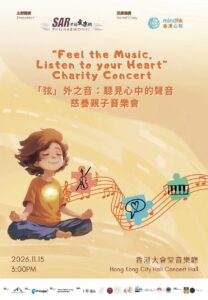
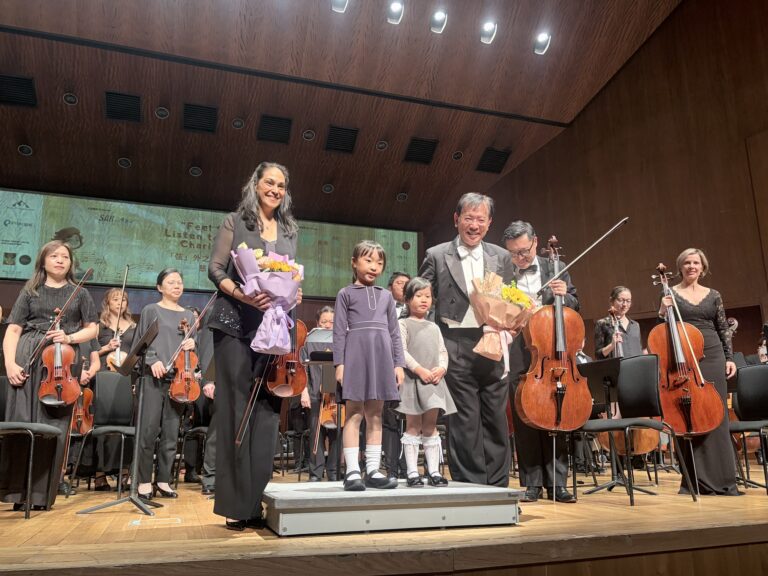
Peak II Foundation was delighted to be one of the sponsors of Mind HK’s charity concert, “Feel the Music, Listen to your heart”, and we were pleased to be invited to attend.
Alongside the string music on stage, something else caught my attention: the different ways children were listening.
One Performance, Different Responses
Some tapped along. Others copied the conductor’s gestures, directing an orchestra from their seats. A few fell asleep. Some took off their shoes and settled into a more comfortable position.
As adults, we are familiar with looking attentive. We know to sit quietly and face the stage. Even when our thoughts wander, we can still appear fully engaged. Children’s responses are not necessarily filtered in the same way.
My first thought, seeing a child moving about, was familiar: perhaps they were not interested in string music. Then I remembered HK Global Arts & Health Festival Monique’s “Music, Belonging and Well-being: A Community Music Model for Family Health in HK” workshop.
Seeing Is Not Understanding
Earlier, at the Hong Kong Global Arts & Health Festival, I attended a workshop led by Monique Pong, Founder and Artistic Director of Music Children Foundation. We began with rhythm, then explored pitch, responding to music in a non-judgemental atmosphere.
What stayed with me was a reminder not to make adult expectations the only measure of a child’s participation.
In the concert hall, that thought made me pause. Had I too quickly equated “not sitting still” with “not interested”?
I did not know what each child was experiencing. Tapping, conducting and changing position could mean different things. Falling asleep was not enough to tell me whether a child enjoyed music either.
I was seeing a response, not yet an answer.
Instead of immediately explaining their behaviour, I wanted to leave room to notice how they responded to the sounds around them.
No Required Feeling
This also brought to mind a recent meditation workshop at the University of Hong Kong’s Being Human Festival.
The facilitator invited us to notice sensations in the body, while reassuring us that it was all right if nothing was immediately apparent. We did not need to force a particular feeling.
It struck me how easily we turn an experience into another task: music should move us, meditation should calm us, and an activity should leave us with a clear benefit.
Perhaps awareness begins by setting those expectations aside, at least for a moment.
That day, I needed to notice not only the children’s movements, but also how quickly I was interpreting them.
Questions, Not Tests
Mind HK wanted to use storytelling to introduce mental health education to a family audience. For me, music and stories also offered a shared experience from which conversations could continue afterwards.
Rather than asking only, “Did you enjoy it?”, we might ask:
“Which part do you remember most?”
“Was there a sound that made you want to move?”
If a child does not want to answer yet, we can leave the question open. It need not become a test of whether they were paying attention. It can simply be an invitation to understand their experience.
Shared spaces still require consideration for others. What I want to practise is pausing before assuming that a different response means a lack of engagement.
As a sponsor, the Foundation helped support an opportunity for families to encounter music and mental health education. As someone in the audience, I was also learning—to observe a child’s behaviour without assuming I understood everything behind it.
The orchestra helped me hear the music. The children reminded me that listening does not always look the same.
Peak II Foundation | Empower Education, Elevate the Future
原來,聆聽不只一種模樣
一場親子音樂會,讓我練習先覺察,再理解
崇嶺基金會很高興成為香港心聆(Mind HK)慈善親子演奏會「『弦』外之音:聽見心中的聲音」的贊助機構之一,我也很高興獲邀出席。
那天,除了台上的弦樂,讓我留意的,還有台下孩子們聽音樂的模樣。
同一段音樂,不同的姿態
有孩子跟着打拍子,有孩子模仿指揮家的手勢,像在自己的座位上帶領樂團。也有孩子睡着了,有些脫下鞋子,換個舒服的位置坐着聽。
成年人比較熟悉怎樣「看起來有在聽」。我們知道要坐好、安靜、望向舞台;即使偶爾走神,外表仍然可以很專心。孩子的反應,卻未必經過同樣的修飾。坦白說,看見孩子動來動去時,我第一個念頭也是:他是不是對弦樂沒有興趣?
但很快,我想起了早前音樂兒童基金會創辦人及藝術總監龐倩渝的工作坊。
我看見了,但未必理解
早前在香港全球藝術與健康節,我參加了音樂兒童基金會創辦人及藝術總監早前由龐倩渝帶領的工作坊。我們從節奏開始,再探索音高,在不帶批判的氣氛裡,感受音樂、嘗試表達。我記住的,是不要急着用成年人的標準,判斷孩子如何參與。
這個提醒,讓我在音樂廳裡停了一下:我是否太快把「沒有坐定」,理解成「沒有興趣」?
我不知道每個孩子當時的感受。打拍子、模仿指揮、調整坐姿,可能有不同的意思;睡着了,也不足以讓我判斷他是否喜歡音樂。
我看見的是一個反應,還不是一個答案。
與其立即替孩子解釋,我更想先留一點空間,看看他如何回應眼前的聲音。
不必交出「正確感受」
這也讓我想起最近在香港大學人文節參加的一個冥想工作坊。
講者引導我們留意身體,同時提醒:暫時感受不到甚麼,也沒有關係,不需要勉強自己製造某種感覺。
原來,我們有時會不知不覺,把體驗變成另一項功課:聽音樂應該感動,冥想應該平靜,參加活動應該有所收穫。
但覺察,也許正是先不要求自己或別人交出預期的反應。
那天,我需要留意的,不只是孩子的動作,也是自己下判斷的速度。
讓提問成為邀請
香港心聆希望透過故事,讓親子觀眾接觸精神健康教育。對我而言,音樂與故事也提供了一份可以在演出後繼續談的共同經驗。
我們可以不只問「好不好聽」,也試着問:
「你最記得哪一段?」
「有沒有哪個聲音,讓你想跟着動?」
如果孩子暫時不想回答,也可以讓問題先留着。這些提問不必用來檢查他有沒有專心,而可以只是想認識他的感受。
當然,共享的空間仍需要互相體諒。我希望練習的,是在提醒或引導之前,不先把「不一樣」等同「不投入」。
作為贊助機構,我們支持了一場讓家庭接觸音樂與精神健康教育的活動;作為觀眾,我也在學習,如何不只看見孩子的行為,還願意承認自己未必理解。
那天,台上的樂團讓我聽見音樂,台下的孩子則提醒我:聆聽,原來不只一種模樣。
崇嶺基金會|培力教育・提升未來